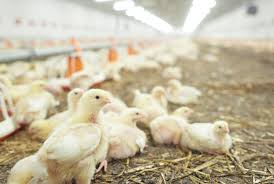

Figuring out what to use for your poultry litter can feel tricky at first. You might hear a lot of terms, and poultry guard litter amendment is one that comes up often. Don’t worry, it’s not as complicated as it sounds.
We’ll walk through it step-by-step to make it simple. This guide will show you the best way to use it and why it helps your birds.
Key Takeaways
- Poultry litter amendments improve coop health.
- They reduce ammonia and improve air quality.
- These amendments help dry out litter.
- They can make litter management easier.
- Using them leads to healthier chickens.
What is Poultry Guard Litter Amendment
Poultry guard litter amendment is a special kind of material used in chicken coops. Its main job is to make the litter, which is the bedding material on the coop floor, better. Think of it like adding something to improve soil for plants.
For poultry, it helps keep their home clean and healthy. It works by absorbing moisture and reducing bad smells. This makes a big difference for both the chickens and the people who care for them.
Core Functions Explained
The primary functions of a poultry guard litter amendment are moisture control and ammonia reduction. Many amendments, like certain types of clay or mineral products, are very good at soaking up water. This is important because wet litter can lead to many problems.
It can become a breeding ground for germs and parasites. It also smells bad.
Another big benefit is ammonia control. Chicken droppings release ammonia gas. Too much ammonia in the air is bad for birds’ lungs.
It can cause breathing problems and make them sick. A good amendment captures or neutralizes this ammonia. This means better air quality inside the coop.
Types of Amendments
There are several kinds of poultry guard litter amendments available. Some are made from natural minerals like calcium bentonite or zeolites. These are mined from the earth and ground into small particles.
They work well because of their structure, which allows them to absorb moisture and bind to ammonia.
Other amendments might include lime-based products. Agricultural lime, for instance, can help dry out litter and raise the pH level. A higher pH makes it harder for ammonia-producing bacteria to thrive.
Some products are a blend of different ingredients, designed to offer a mix of benefits. Each type has its own strengths.
Why Use an Amendment
Using a poultry guard litter amendment is a proactive step towards better flock health. It’s not just about cleaning up smells. It’s about creating an environment where chickens can thrive.
Healthy chickens are happier chickens. They also tend to lay more eggs and grow better.
For farmers, good litter management means less work in the long run. It can reduce the need for frequent litter clean-outs. It also helps prevent diseases that spread through damp, dirty conditions.
This saves money and time. It’s a simple addition that offers significant rewards.
Benefits for Poultry Health
When you add a poultry guard litter amendment, you are directly helping your birds stay healthy. Chickens spend a lot of time on the floor of their coop. If the litter is wet and smelly, they are constantly exposed to harmful conditions.
This can weaken their immune systems.
Ammonia is a major culprit. High levels of ammonia irritate the eyes and respiratory system of chickens. This can lead to conjunctivitis, bronchitis, and increased susceptibility to other diseases.
By using an amendment, you significantly lower ammonia levels, providing a cleaner and safer breathing environment for your flock.
Reduced Respiratory Issues
The air inside a chicken coop can become thick with ammonia gas, especially in poorly ventilated or overcrowded conditions. This gas is a direct irritant to the delicate tissues of a chicken’s lungs and airways. When chickens breathe this in daily, their respiratory systems become compromised.
A poultry guard litter amendment acts as a buffer against this. It absorbs ammonia or helps break it down. This leads to cleaner air.
Birds breathing cleaner air are less likely to develop respiratory problems. This means fewer sick birds and less worry for the owner.
Improved Foot Health
Wet litter is a major cause of foot problems in poultry, such as bumblefoot and footpad dermatitis. When the bedding stays damp for long periods, bacteria can flourish. Chickens’ feet are in constant contact with this moist, bacteria-laden environment.
Poultry guard litter amendments help keep the litter dry. By absorbing excess moisture, they prevent the conditions that allow these bacteria to thrive. Dry feet mean healthier chickens.
They can walk around comfortably and are less prone to painful foot infections.
Fewer Parasites and Diseases
Many types of parasites and disease-causing bacteria love damp, warm environments. Wet litter provides the perfect breeding ground for them. This can lead to outbreaks of coccidiosis, worm infestations, and other serious health issues.
By using a litter amendment, you create a less hospitable environment for these unwelcome guests. The drying effect and the potential changes in litter pH can inhibit the growth and survival of many parasites and pathogens. This makes your coop a much safer place for your birds.
Example Scenario: A Small Flock Owner
Sarah has a flock of 20 backyard chickens. She noticed that during the humid summer months, her coop started to smell quite strong. Her chickens also seemed a bit more lethargic.
She decided to try a common mineral-based poultry guard litter amendment. She sprinkled it over her existing wood shavings.
Within a few days, she noticed a big difference. The ammonia smell was much less noticeable. The litter also felt drier to the touch.
Over the next few weeks, she saw her chickens were more active. Their eyes looked clearer, and she felt more confident they were breathing better. This simple change made her coop a much more pleasant place for her birds.
How to Apply Poultry Guard Litter Amendment
Applying a poultry guard litter amendment is generally straightforward. The exact method can vary slightly depending on the specific product you choose and the type of litter you are using. However, the core principles remain the same: ensure even distribution and incorporate it into the litter.
It’s important to follow the instructions on the product’s packaging. This will give you the most accurate guidance. But generally, you’ll be spreading the amendment over your existing bedding material.
Preparation and Application Steps
- Start with Clean Litter: If you are starting fresh, lay down your usual bedding material first. This could be wood shavings, straw, or other approved materials. If you are adding to existing litter, make sure it is not excessively wet or matted down.
- Even Distribution: Take your poultry guard litter amendment and spread it evenly across the entire surface of the litter. You want to cover as much area as possible. Use a scoop or a spreader for larger areas.
- Mix It In: After spreading, gently mix the amendment into the top few inches of the litter. You can use a rake, a pitchfork, or even just your gloved hands for smaller coops. This helps the amendment work throughout the bedding, not just on the surface.
- Regular Application: Depending on the product and your flock size, you may need to reapply the amendment periodically. This is often done weekly or bi-weekly. Watch the litter’s condition – if it starts to get wet or smell again, it’s time for another application.
Tips for Different Coop Sizes
For very small coops, like those for a few backyard chickens, applying by hand or with a small scoop is easy. You can simply walk around and sprinkle the product. Then, use a small rake or fork to mix it in.
For larger commercial operations, using specialized equipment might be more efficient. This could include broadcast spreaders or auger systems that can apply the amendment quickly and evenly over large areas. The goal is always the same: uniform coverage and good mixing.
When to Reapply
The frequency of reapplication depends on several factors. These include the number of birds, their diet, ventilation in the coop, and the humidity levels outside.
A good rule of thumb is to check the litter regularly. If you start to notice dampness or a return of ammonia odors, it’s time to add more amendment. Many people find that a light reapplication once a week keeps the litter in optimal condition.
Some products are designed for less frequent use, so always check the manufacturer’s recommendations.
Poultry Guard Litter Amendment and Ammonia Control
Ammonia is a colorless gas with a strong, pungent odor. It is produced when uric acid and other nitrogenous compounds in poultry droppings decompose. This decomposition is carried out by specific types of bacteria that live in the litter.
In a typical chicken coop, especially one with a high bird density or poor ventilation, ammonia levels can rise quickly.
High ammonia concentrations in the air can cause significant health problems for poultry. It irritates their respiratory tracts, making them more vulnerable to diseases like infectious bronchitis and Newcastle disease. It can also lead to eye lesions and blindness.
Furthermore, prolonged exposure can suppress the birds’ immune systems.
The Chemistry of Ammonia Reduction
Many poultry guard litter amendments work through chemical reactions or physical absorption to control ammonia. For example, alkaline amendments like lime raise the pH of the litter. Ammonia is a gas at lower pH levels, but at higher pH levels, it tends to bind with other compounds in the litter or convert into less volatile forms.
This process effectively “traps” the ammonia, preventing it from entering the air.
Other amendments, particularly those with porous structures like zeolites or activated clays, work by physical absorption. These materials have a large surface area and can adsorb ammonia molecules onto their surface. This process removes the ammonia from the air.
Some amendments might also contain compounds that directly react with ammonia, neutralizing it.
Monitoring Ammonia Levels
It’s important to know how to tell if ammonia levels are becoming problematic. The most obvious sign is the smell. If you notice a strong, persistent ammonia odor when you approach the coop, it’s a clear indicator.
However, by the time the smell is strong to humans, it is likely already at a level that is stressing the birds.
For more precise monitoring, especially in commercial settings, ammonia test kits or meters are available. These devices can measure the concentration of ammonia in the air. Keeping these levels below a certain threshold, typically below 20 parts per million (ppm), is recommended for optimal bird health.
Case Study: Commercial Layer Operation
A large commercial egg farm was struggling with high ammonia levels in their layer houses. This led to increased condemnations at processing and reduced egg production per hen. They implemented a regular application of a specific mineral-based poultry guard litter amendment into their deep-litter system.
Within one production cycle, they saw a significant decrease in reported respiratory issues among their flock. The incidence of condemnations due to respiratory infections dropped by 15%. Their feed conversion ratio also improved slightly, suggesting better overall health.
The farm manager attributed these positive outcomes directly to the improved litter quality and reduced ammonia levels achieved by using the amendment.
Environmental and Economic Advantages
Beyond direct benefits to bird health, poultry guard litter amendments offer significant advantages for the environment and the farm’s bottom line. Managing litter effectively is a key part of sustainable poultry farming.
When litter is kept dry and ammonia is controlled, it has several positive knock-on effects. It can reduce the overall volume of waste that needs to be managed. It also makes the used litter a more valuable resource when it’s time to remove it.
Reduced Waste and Odor Management
Ammonia is a potent greenhouse gas. By reducing ammonia emissions from chicken coops, amendments contribute to a lower carbon footprint for poultry operations. Additionally, controlling odor is not just about being a good neighbor; it can also be a regulatory requirement in some areas.
Well-managed litter means less frequent total clean-outs. In deep-litter systems, amendments help break down manure over time, reducing the total volume and making the litter more compostable. This means less material to transport and dispose of.
Improved Fertilizer Value
Poultry litter is a valuable source of nutrients for crops. However, if it is too wet or has high levels of unreacted nitrogen (which can be lost as ammonia gas), its fertilizer value is diminished.
When a poultry guard litter amendment is used, it can help stabilize the nitrogen in the litter. This means more of the valuable nitrogen is retained in a form that can be used by plants when the litter is applied to fields. This makes the litter a more effective and valuable fertilizer, reducing the need for synthetic fertilizers.
Cost-Effectiveness Over Time
While there is an initial cost to purchasing litter amendments, they often prove to be cost-effective in the long run. By preventing disease outbreaks, reducing medication costs, improving feed efficiency, and enhancing the value of the litter as fertilizer, the investment pays off.
Reduced labor costs associated with frequent litter changes or dealing with sick birds also contribute to the economic benefits. A healthier flock and a more manageable waste stream translate directly into a more profitable operation.
Common Myths Debunked
Myth 1: Poultry guard litter amendments are just expensive bedding
This is not true. While some amendments are blended with bedding materials, their primary purpose is not to be bedding itself. They are functional additives designed to improve the existing litter’s performance in managing moisture, reducing odors, and controlling pathogens.
Their chemical or physical properties go beyond what simple bedding can achieve.
Myth 2: You only need amendments in the winter
Ammonia production is a year-round issue. While ventilation might be reduced in winter to conserve heat, leading to higher ammonia buildup, wet conditions in summer can also create significant problems. Humidity, rain, and spilled water can all contribute to damp litter and ammonia release.
Amendments are beneficial in all seasons.
Myth 3: Any type of lime is a suitable litter amendment
While some forms of lime can help, not all are ideal or safe. Quicklime (calcium oxide) is highly caustic and can burn the feet and skin of chickens. Agricultural lime (calcium carbonate) is safer but may not offer the same level of moisture absorption or ammonia binding as specialized mineral amendments like zeolites or bentonite clays.
It’s important to use products specifically designed for poultry litter.
Myth 4: Using an amendment means you never have to clean the coop
Litter amendments improve management, but they don’t eliminate the need for basic coop hygiene. They help extend the time between full litter changes by keeping the environment healthier for longer. However, periodic removal of heavily soiled areas and eventual complete clean-outs are still necessary for optimal flock health and biosecurity.
Frequently Asked Questions
Question: How much poultry guard litter amendment should I use
Answer: The amount varies by product. Check the product label for specific recommendations, but it’s typically a certain amount per square foot of coop area, often applied weekly or bi-weekly.
Question: Can I mix amendments with fresh bedding
Answer: Yes, you can mix amendments with fresh bedding when setting up a new coop floor. You can also add them to existing litter to improve its condition.
Question: Will poultry guard litter amendment harm my chickens
Answer: When used as directed, poultry guard litter amendments are safe for chickens. Always choose products specifically formulated for poultry and follow application instructions carefully.
Question: What if my litter is already very wet
Answer: If your litter is heavily saturated, you may need to remove some of the wettest material first before applying the amendment. Then, apply the amendment generously to help dry out the remaining litter.
Question: How long does a bag of amendment last
Answer: This depends on the size of your coop, the number of birds, and how frequently you reapply. For a small backyard flock, a bag might last several weeks or months. For larger operations, consumption will be much higher.
Final Thoughts
Using a poultry guard litter amendment is a smart way to improve your coop environment. It helps keep your birds healthy by controlling moisture and odors. This simple step can lead to happier, more productive chickens.
Give it a try to see the difference for yourself.