
Getting started with the meat and poultry hazards control guide 2018 can feel like a big task, especially when you’re new to it. It’s packed with important details about keeping food safe. But don’t worry, this guide will break it all down for you, step by step.
We’ll make it easy to follow so you can feel confident. Let’s explore what you need to know next.
Key Takeaways
- You will learn about the main dangers in meat and poultry.
- This post shows how to prevent these dangers from harming people.
- You will understand the importance of proper handling and storage.
- We will cover cleaning and sanitizing best practices for safety.
- The guide will help you create a safer food environment.
- You can apply these simple steps to your own situation.
Understanding Meat and Poultry Hazards Control Guide 2018
This section helps you get a clear picture of what the meat and poultry hazards control guide 2018 is all about. It’s a vital document for anyone working with meat and poultry products. Its main goal is to protect consumers from foodborne illnesses caused by harmful bacteria or other contaminants.
Learning about these potential problems is the first step to avoiding them. We’ll look at why these hazards exist and why controlling them is so important for everyone’s health.
What Are Food Hazards?
Food hazards are anything that can make food unsafe to eat. They can be biological, chemical, or physical. Biological hazards include things like bacteria, viruses, and parasites.
These tiny living things can grow in food and cause sickness. Chemical hazards can be cleaning supplies, pesticides, or natural toxins. Physical hazards are foreign objects that might get into food, like pieces of glass or metal.
- Biological hazards are the most common reason for food poisoning. Bacteria like Salmonella, E. coli, and Listeria are often found in raw meat and poultry. They can multiply quickly if food is not kept at the right temperature. Viruses like Norovirus can spread if food handlers are sick.
- Chemical hazards can be accidental. For example, using a cleaning spray near food can lead to contamination. Some chemicals are naturally present in raw ingredients, like certain types of seafood. It’s important to know where these risks come from and how to stop them.
- Physical hazards are usually easy to spot but can still cause harm. A small piece of bone in ground meat or a bit of plastic wrap from packaging can be a problem. Proper training for food handlers helps prevent these items from ending up in the final product.
Why Is Control Necessary?
Controlling these hazards is absolutely essential to prevent people from getting sick. Foodborne illnesses can range from mild stomach upset to severe health problems that require hospitalization, and in some cases, can be fatal. Businesses have a responsibility to provide safe food.
Regulations and guidelines, like the meat and poultry hazards control guide 2018, are in place to help them achieve this. Following these rules protects both consumers and the reputation of the business.
The economic impact of foodborne illness outbreaks can be huge. Businesses can face lawsuits, fines, and lose customer trust, which can take years to rebuild. Preventing hazards before they become a problem is far more cost-effective than dealing with the aftermath of an outbreak.
This is why investing time and resources into proper food safety practices is so important.
Key Meat and Poultry Hazards Explained
This section details the specific dangers you’ll find in meat and poultry. We’ll break down the types of hazards and where they typically come from. Knowing these specific risks helps you focus your control efforts.
This knowledge is a cornerstone of safe food handling. It’s about understanding the enemy, so to speak, so you can prepare for it.
Biological Hazards
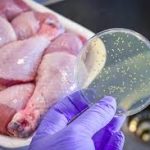
Biological hazards are the main concern for meat and poultry. Raw meat and poultry are natural carriers for various microorganisms. These include bacteria, viruses, and parasites.
Proper cooking temperatures are key to killing most of these harmful organisms.
- Bacteria are the most common issue. Salmonella is often found in poultry. E. coli can be present in beef. Listeria can grow even in refrigerated foods. These bacteria can cause food poisoning symptoms like fever, vomiting, and diarrhea.
- Viruses like Hepatitis A and Norovirus can spread through contaminated food or water. They can also be transmitted by food handlers who are sick and do not practice good hygiene.
- Parasites are less common in commercially produced meat and poultry in developed countries, but they can still be a risk. For instance, Trichinella can be found in pork.
A common example of a biological hazard is when raw chicken juices contaminate other foods, like salads, through cross-contamination. This happens when the raw chicken is prepared on the same cutting board as vegetables without cleaning the board in between. The bacteria from the chicken then get onto the salad, which is often eaten raw.
Chemical Hazards
Chemical hazards are usually accidental but can be very dangerous. They can include cleaning chemicals, sanitizers, or even natural toxins. It is important to store these chemicals separately from food.
- Cleaning chemicals and sanitizers must be used correctly and rinsed off thoroughly from equipment that touches food. If not rinsed, residues can contaminate the food.
- Natural toxins can be present in some ingredients. For instance, certain types of mushrooms can be poisonous if not identified correctly. However, for meat and poultry, the main chemical risks are from improper use of cleaning agents or pest control products.
Consider a scenario where a cleaning crew uses a strong degreaser on kitchen equipment. If the equipment is not rinsed completely, traces of the degreaser could end up in the food prepared on that equipment, causing illness.
Physical Hazards
Physical hazards are foreign objects that can end up in food. This can include things like plastic pieces, metal fragments, glass shards, or even small stones.
- These can get into food during processing, packaging, or preparation. For example, a small piece of metal from a grinder could end up in ground meat. A broken piece of glass from a light fixture could fall into food.
- Preventing physical hazards involves good equipment maintenance and careful handling. Food handlers should be trained to look for and remove any foreign objects.
Imagine a case where a customer finds a small piece of plastic packaging in their hamburger. This is a physical hazard. It could have come from the packaging material used for the patties, or it could have fallen in during preparation.
This is why checks at various stages are important.
Controlling Meat and Poultry Hazards Effectively
Now that we know the dangers, let’s focus on how to control them. This section covers practical steps and strategies. Following these methods is key to ensuring food safety.
We will look at preventing contamination and stopping the growth of harmful microorganisms.
Proper Handling and Storage
How food is handled and stored makes a big difference. Keeping meat and poultry at the right temperatures is one of the most critical steps. This slows down or stops the growth of bacteria.
Proper hygiene by food handlers is also vital.
- Temperature control is paramount. Raw meat and poultry should be kept refrigerated at 40°F (4°C) or below. Frozen foods should be kept at 0°F (-18°C) or below. When cooking, poultry must reach an internal temperature of 165°F (74°C) to kill harmful bacteria.
- Cross-contamination prevention is essential. Keep raw meat and poultry separate from ready-to-eat foods like salads or cooked items. Use separate cutting boards, utensils, and plates for raw and cooked foods.
- Safe thawing methods prevent bacteria from multiplying. Never thaw meat or poultry at room temperature. Thaw in the refrigerator, in cold water, or in a microwave, and cook immediately after thawing in cold water or microwave.
A real-life example of improper storage causing problems is when raw chicken is left out on the counter for too long. Bacteria on the chicken can multiply rapidly in the “danger zone” (between 40°F and 140°F or 4°C and 60°C). If this chicken is then cooked, it might not reach a safe temperature throughout, leaving dangerous bacteria alive.
Cleaning and Sanitization
Keeping surfaces and equipment clean and sanitized is another major control measure. This removes food particles and reduces the number of harmful microorganisms.
- Cleaning removes visible dirt and food debris. Sanitizing reduces the number of disease-causing microorganisms to safe levels. Both steps are necessary and should be done regularly.
- Use appropriate cleaning agents and sanitizers. Follow the instructions on the product labels for dilution and contact time. Ensure all food contact surfaces are cleaned and sanitized frequently, especially after preparing raw meat or poultry.
- Establish a cleaning schedule. This ensures that all areas and equipment are cleaned and sanitized consistently. Train staff on proper cleaning and sanitizing procedures.
Consider a restaurant kitchen. If the cutting board used for raw chicken is not properly cleaned and sanitized after use, bacteria like Salmonella can remain on the surface. When the same board is used later for slicing cooked chicken or vegetables, these bacteria can transfer, leading to contamination.
Employee Training and Hygiene
Well-trained employees are the first line of defense against food hazards. Proper hygiene practices are non-negotiable for anyone handling food.
- Handwashing is critical. Employees must wash their hands thoroughly with soap and warm water before starting work, after using the restroom, after touching raw meat or poultry, and after sneezing or coughing.
- Personal hygiene practices include wearing clean clothing and hair restraints. Employees who are sick should not work with food. They should report any symptoms of illness like vomiting or diarrhea.
- Training should cover all aspects of food safety, including hazard recognition, temperature control, cross-contamination prevention, cleaning, and sanitization. Regular refresher training is also important.
A simple scenario: An employee forgets to wash their hands after handling raw chicken and then proceeds to prepare a salad. This act of poor hygiene directly transfers harmful bacteria from the chicken to the salad, which is likely to be consumed without further cooking.
Implementing the Meat and Poultry Hazards Control Guide
Putting the meat and poultry hazards control guide 2018 into practice is key. This section is about making sure the guidelines are followed every day. It involves setting up systems and checking that they work.
Developing a Food Safety Plan
A food safety plan, often based on principles like HACCP (Hazard Analysis and Critical Control Points), is a structured way to manage hazards. It identifies potential hazards and sets up controls to prevent them.
- Hazard Analysis: Identify all potential biological, chemical, and physical hazards that could occur at each step of food processing or preparation. This is the starting point for building your safety plan.
- Critical Control Points (CCPs): Determine the points in the process where control is essential to prevent or eliminate a hazard. For example, cooking temperature is a CCP for killing bacteria.
- Establish Critical Limits: Define the maximum or minimum values that must be met to prevent or eliminate a hazard. For cooking poultry, this is an internal temperature of 165°F (74°C).
- Monitoring Procedures: Set up ways to check if the CCPs are being controlled. This could involve using thermometers to check cooking temperatures or visual checks for cleanliness.
- Corrective Actions: Plan what to do if a CCP is not under control. For example, if poultry is not cooked to the required temperature, it needs to be cooked longer.
- Verification Procedures: Regularly check that the food safety system is working as intended. This ensures ongoing effectiveness.
- Record Keeping: Keep detailed records of all monitoring and corrective actions. These records are proof that you are managing food safety properly and are useful for audits.
A food processing plant might use a HACCP plan for its chicken products. They would identify that bacterial contamination is a hazard during processing. A CCP might be the chilling step, where the chicken must be cooled quickly to below 40°F (4°C) within a certain timeframe to stop bacterial growth.
The plan would detail how this temperature is monitored and what to do if it’s not achieved.
Regulatory Compliance
Following the guidelines in the meat and poultry hazards control guide 2018 helps ensure you meet legal requirements. Food safety regulations are in place to protect public health.
- Understand the applicable laws and regulations in your region. These often align with or build upon the principles found in general guides like the one from 2018.
- Be prepared for inspections. Food safety authorities conduct inspections to ensure businesses are complying with regulations. Having a well-documented food safety plan and maintaining good practices makes these inspections smoother.
- Stay updated on any changes in food safety laws or guidelines. Regulations can be updated as new scientific information becomes available or new risks are identified.
A small butcher shop needs to comply with local health department rules. These rules often cover things like temperature control for refrigeration, proper cleaning of equipment, and preventing cross-contamination. By following the advice in a guide like the 2018 hazards control document, the shop can ensure it meets these requirements and passes health inspections.
Common Myths Debunked
Myth 1: Rinsing chicken reduces bacteria.
Reality: Rinsing raw chicken can actually spread bacteria around your kitchen. The water can splash pathogens onto your sink, countertops, and nearby surfaces. The best way to kill bacteria on chicken is by cooking it thoroughly to the correct internal temperature of 165°F (74°C).
Myth 2: If food looks, smells, and tastes fine, it’s safe to eat.
Reality: Many harmful bacteria and viruses do not change the appearance, smell, or taste of food. You cannot see, smell, or taste if food is contaminated with pathogens like Salmonella or E. coli.
Relying on these senses alone can be very dangerous.
Myth 3: Marinating meat at room temperature for a few hours is safe.
Reality: The “danger zone” for bacterial growth is between 40°F (4°C) and 140°F (60°C). Marinating meat at room temperature for extended periods allows bacteria to multiply rapidly. Marinate meat in the refrigerator, not on the counter, to keep it safe.
Myth 4: Reheating food kills all bacteria.
Reality: While reheating food to a safe internal temperature (165°F or 74°C) kills most active bacteria, it does not destroy toxins produced by some bacteria. If food has been left in the danger zone for too long, toxins can remain even after reheating, making the food unsafe.
Frequently Asked Questions
Question: What is the main goal of the meat and poultry hazards control guide?
Answer: The main goal is to protect consumers from foodborne illnesses by identifying and controlling potential dangers in meat and poultry products.
Question: How can I prevent cross-contamination in my kitchen?
Answer: Use separate cutting boards, utensils, and plates for raw meat and poultry compared to ready-to-eat foods. Wash your hands thoroughly after handling raw meat.
Question: What is the safe internal cooking temperature for poultry?
Answer: The safe internal cooking temperature for all poultry, including ground poultry, is 165°F (74°C).
Question: Is it okay to thaw meat on the kitchen counter?
Answer: No, thawing meat on the counter is not safe because it allows bacteria to grow rapidly in the “danger zone.” Thaw meat in the refrigerator, in cold water, or in the microwave.
Question: Who should follow these meat and poultry hazard control guidelines?
Answer: Anyone who produces, processes, serves, or handles meat and poultry products should follow these guidelines, from large facilities to home kitchens.
Wrap Up
This guide simplifies meat and poultry hazard control. By understanding risks like bacteria and physical objects, you can prevent illness. Proper temperature control, clean practices, and good hygiene are your best tools.
Implementing these steps makes food safer for everyone.