
Figuring out the hazard guide for meat and poultry usda can seem like a lot at first. Lots of words and rules can make it tricky for new folks. But don’t worry!
We’re going to make this super simple. We’ll walk through it step by step so you can get a clear picture. Get ready to learn what you need to know easily.
Key Takeaways
- You will learn about the main food safety standards for meat and poultry.
- This guide will explain how the USDA helps keep your food safe.
- You will find out about common hazards and how to prevent them.
- We will cover important rules and regulations from the USDA.
- Tips for safe handling and storage of meat and poultry will be provided.
Understanding the USDA’s Role in Food Safety
The United States Department of Agriculture, or USDA, plays a vital role in making sure the meat and poultry we eat is safe. They have specific rules and guidelines to protect public health. This oversight covers everything from how animals are raised to how the final products reach our plates. Their main goal is to prevent foodborne illnesses.
What the USDA Oversees
The USDA’s Food Safety and Inspection Service (FSIS) is in charge of this. They inspect all meat, poultry, and egg products that are sold in interstate commerce. This includes animals before and after slaughter. They also look at the processing plants to make sure they follow strict hygiene rules.
- Inspection of Livestock: Before animals are slaughtered, they are inspected to ensure they are healthy. This helps catch diseases early.
- Ante-mortem and Post-mortem Inspections: These are checks done before and after an animal is slaughtered. They help find any signs of illness or contamination.
- Processing Plant Regulations: Facilities that handle meat and poultry must meet very high standards for cleanliness and safe food handling.
These checks are very important for stopping unsafe products from getting to consumers. The FSIS uses a team of inspectors, including veterinarians, to carry out these duties.
Key Goals of USDA Food Safety
The USDA has several main goals to ensure food safety. These include preventing contamination and ensuring proper labeling. They also work to educate consumers about safe food practices.
One of the primary goals is to prevent hazards like bacteria, viruses, and chemical contaminants from entering the food supply. They achieve this through rigorous inspection and regulation of processing facilities. Another goal is to ensure that consumers have accurate information about the products they buy, which includes proper labeling of ingredients and nutritional content.
Common Hazards in Meat and Poultry
When dealing with meat and poultry, several common hazards can pose risks to health if not managed properly. These hazards can be biological, chemical, or physical. Understanding them is the first step in preventing foodborne illnesses.
Biological Hazards
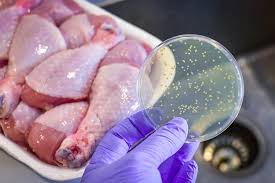
Biological hazards are the most common concern. These are living organisms, like bacteria, viruses, and parasites, that can cause sickness. Common culprits in meat and poultry include Salmonella, E. coli O157:H7, Listeria monocytogenes, and Campylobacter. These can be present naturally in animals.
- Salmonella: Often found in raw poultry and eggs, it can cause fever, diarrhea, and abdominal cramps. Proper cooking kills Salmonella.
- E. coli O157:H7: This bacterium can be found in undercooked ground beef. It can cause severe stomach cramps, bloody diarrhea, and vomiting. Thorough cooking is essential.
- Listeria monocytogenes: This can grow even in refrigerator temperatures and is a serious threat to pregnant women, newborns, older adults, and people with weakened immune systems. It can be found in raw meats and processed meat products.
- Campylobacter: A leading cause of bacterial diarrhea worldwide, it’s commonly found in raw or undercooked poultry.
These bacteria can spread easily from raw meat to other foods or surfaces if not handled carefully. This is why cross-contamination is such a major concern.
The USDA emphasizes the importance of cooking meat and poultry to specific internal temperatures to kill these harmful bacteria. For instance, whole poultry should reach 165°F (74°C), ground meats 160°F (71°C), and steaks, roasts, and chops 145°F (63°C) with a three-minute rest time. These temperatures ensure that any harmful microorganisms are destroyed.
Chemical Hazards
Chemical hazards can include cleaning agents, pesticides, or natural toxins. While less common than biological hazards in consumer products, they can still pose a risk if facilities do not follow proper procedures for handling and storing chemicals. The USDA monitors for residues of approved veterinary drugs and pesticides.
- Veterinary Drug Residues: Sometimes, animals may have received medication. The USDA sets withdrawal times for these drugs to ensure no harmful residues are left in the meat when it is processed.
- Cleaning and Sanitizing Agents: Facilities use chemicals to clean and sanitize equipment. These must be handled and stored properly to prevent them from contaminating the food. Rinsing is a key step.
- Environmental Contaminants: Though rare, chemicals from the environment could potentially contaminate food if not managed.
Producers and processors must follow strict guidelines for using and storing these substances. This prevents them from becoming a hazard in the final product.
Physical Hazards
Physical hazards are foreign objects that can accidentally end up in food. These can include things like bone fragments, metal shards from machinery, glass, or even plastic. While not as common as biological hazards, they can cause injury to consumers, such as choking or cuts.
- Bone Fragments: Small pieces of bone can sometimes break off during processing, especially in ground meat products.
- Metal Shards: Equipment malfunctions can sometimes lead to small metal pieces breaking off and entering the food.
- Glass or Plastic: Accidental breakage of containers or packaging can introduce these materials into food.
To prevent physical hazards, plants use metal detectors and other detection systems. They also have regular maintenance schedules for their equipment to minimize the risk of parts breaking off. Visual inspections are also part of the process.
Key Regulations and Guidelines from the USDA
The USDA has established a comprehensive set of regulations to ensure the safety of meat and poultry. These are based on scientific research and are designed to address the hazards identified in the food production process.
HACCP System Explained
The Hazard Analysis and Critical Control Points (HACCP) system is a cornerstone of USDA food safety regulations. It is a systematic preventive approach to food safety that identifies potential hazards and implements controls at critical points in the production process.
- Hazard Analysis: The first step involves identifying potential biological, chemical, and physical hazards at each stage of production, from raw material sourcing to finished product.
- Identify Critical Control Points (CCPs): These are steps in the process where control can be applied and is essential to prevent or eliminate a food safety hazard or reduce it to an acceptable level.
- Establish Critical Limits: For each CCP, specific measurable limits must be set. For example, a critical limit for cooking might be a minimum internal temperature.
- Monitor CCPs: Regular monitoring of CCPs is required to ensure they remain within the critical limits.
- Establish Corrective Actions: If monitoring indicates that a CCP is not under control, specific actions must be taken to correct the deviation.
- Verification Procedures: These ensure the HACCP system is working effectively.
- Record Keeping: Detailed records must be maintained for all steps of the HACCP plan.
The HACCP system is scientifically based and helps prevent food safety issues before they happen. It is a proactive approach rather than a reactive one.
For example, in a poultry processing plant, a CCP might be the cooking step to kill Salmonella. A critical limit would be the target internal temperature of 165°F (74°C). Monitoring would involve checking thermometers to ensure this temperature is reached.
If it’s not, corrective actions like extending the cooking time would be needed.
Sanitation Standard Operating Procedures (SSOPs)
Alongside HACCP, Sanitation Standard Operating Procedures (SSOPs) are crucial. These are written procedures that facilities must follow to maintain sanitary conditions. They cover everything from cleaning equipment to pest control.
- Cleaning Schedules: Detailed schedules for cleaning and sanitizing all food-contact surfaces and equipment are required.
- Pest Control Programs: Facilities must have programs in place to prevent pests like rodents and insects from contaminating the food.
- Employee Hygiene: Rules for handwashing, wearing clean clothing, and not working when sick are part of SSOPs.
- Water Quality: The water used for processing and cleaning must meet safety standards.
These procedures are vital for preventing the spread of bacteria and other contaminants. They ensure that the environment in which food is processed is clean and safe.
Labeling Requirements
Accurate labeling is another key area regulated by the USDA. Labels must provide consumers with necessary information about the product’s contents, origin, and safe handling.
- Nutritional Information: Labels must include a nutrition facts panel detailing calories, fat, protein, and other key nutrients.
- Ingredient List: All ingredients must be listed in order of predominance by weight.
- Country of Origin Labeling (COOL): For certain products, labels must indicate where the product originated.
- Safe Handling Instructions: For raw meat and poultry, clear instructions on how to safely store, prepare, and cook the product are required.
This information helps consumers make informed choices and handle products safely at home. The USDA reviews labels to ensure they comply with these requirements.
Safe Handling and Storage Practices
Following safe handling and storage practices at home is just as important as the regulations in processing plants. These practices help prevent the growth of harmful bacteria and stop cross-contamination.
The Four Core Practices of Food Safety
The USDA promotes four key practices for safe food handling: Clean, Separate, Cook, and Chill.
- Clean: Wash hands with soap and warm water for at least 20 seconds before, during, and after preparing food. Also, wash surfaces and utensils after each use.
- Separate: Keep raw meat, poultry, seafood, and eggs separate from ready-to-eat foods. Use separate cutting boards for raw meats and produce.
- Cook: Cook food to the correct internal temperature. Use a food thermometer to check.
- Chill: Refrigerate perishable foods promptly, within two hours, or within one hour if the temperature is above 90°F (32°C).
Adhering to these simple steps can significantly reduce the risk of foodborne illness. They are easy to remember and implement in any kitchen.
A common scenario where separation is critical is when preparing a salad and raw chicken. If the same cutting board and knife are used for both without thorough washing, bacteria from the raw chicken can transfer to the salad ingredients, making them unsafe to eat.
Proper Refrigeration and Freezing
Keeping meat and poultry at the correct temperatures is crucial. Refrigerators should be set at 40°F (4°C) or below, and freezers at 0°F (-18°C) or below.
- Refrigeration: Store raw meat and poultry on the bottom shelf of the refrigerator. This prevents juices from dripping onto other foods.
- Freezing: For longer storage, freeze meat and poultry. Wrap them tightly in freezer paper or bags to prevent freezer burn.
- Thawing Frozen Meat: Thaw meat safely in the refrigerator, in cold water, or in the microwave. Never thaw at room temperature.
Proper temperature control stops bacteria from multiplying rapidly. It also helps maintain the quality of the meat.
Common Myths Debunked
Many people have misconceptions about meat and poultry safety. Here are some common myths explained.
Myth 1: It’s okay to eat meat that has a slightly off smell or color.
Reality: A slightly off smell or color can be a sign of bacterial spoilage. While some changes can be normal for certain types of meat, it’s best to err on the side of caution. If in doubt, throw it out.
These changes often indicate the presence of bacteria that can make you sick.
Myth 2: Rinsing raw chicken kills bacteria.
Reality: Rinsing raw chicken does not kill all bacteria. In fact, it can spread bacteria like Salmonella to your sink, countertops, and other surfaces through splashing water. The safest way to kill bacteria is by cooking chicken to the correct internal temperature.
Myth 3: Marinating meat at room temperature is fine.
Reality: Marinating meat at room temperature for too long can allow bacteria to grow rapidly. Bacteria multiply quickly between 40°F and 140°F (4°C and 60°C). Always marinate meat in the refrigerator.
If you want to marinate at room temperature for a short period, ensure it’s no more than two hours, or one hour if the ambient temperature is above 90°F (32°C).
Myth 4: Food poisoning symptoms will appear immediately if you eat contaminated food.
Reality: The onset of food poisoning symptoms can vary greatly depending on the type of bacteria or virus. Some symptoms might appear within a few hours, while others can take days or even weeks to develop. This makes it hard to pinpoint the exact source of contamination.
Frequently Asked Questions
Question: What is the internal temperature for cooking ground beef safely?
Answer: Ground beef should be cooked to an internal temperature of 160°F (71°C). Using a food thermometer is the best way to ensure it reaches this temperature.
Question: Is it safe to reheat cooked meat and poultry?
Answer: Yes, it is safe to reheat cooked meat and poultry. Reheat them to an internal temperature of 165°F (74°C) to kill any bacteria that may have grown since they were first cooked.
Question: How long can raw meat and poultry be stored in the refrigerator?
Answer: Raw ground meats, poultry, and seafood can be kept in the refrigerator for 1 to 2 days. Raw steaks, roasts, and chops can be stored for 3 to 5 days.
Question: What does the USDA label on meat products mean?
Answer: The USDA inspection mark means the meat or poultry product has been inspected for wholesomeness and passed. It ensures the product is safe to eat and was processed under sanitary conditions.
Question: Can I freeze meat that has been previously frozen and thawed?
Answer: For best quality, it’s not recommended to refreeze meat that has been thoroughly thawed. However, if it was thawed in the refrigerator, it can be safely refrozen, though texture and flavor might be slightly affected.
Summary
The hazard guide for meat and poultry usda covers essential food safety practices. Understanding common biological, chemical, and physical hazards is key. Following USDA regulations like HACCP and SSOPs ensures safety in processing.
Proper handling, cooking, and chilling at home prevent illness. Always follow safe food guidelines to enjoy your meat and poultry without worry.